
Email marketing is entering a new era. In 2026, inboxes are smarter, audiences expect personalization, and marketers can no longer rely on static templates or one-size-fits-all campaigns. Whether you’re a brand, agency, or startup, standing out means blending creativity with data and automation. Below are the top strategies to keep your emails fresh, relevant, and high-performing this year.
News
7 Best Email Marketing Tips for 2026: What You Need to Know Now
 Corrie | Jan 27, 2026

Tip #1: Personalize Beyond the First Name
Why It Matters:
In 2026, personalization is no longer about inserting a name into an email. Audiences expect relevance at every touchpoint, content, visuals, and even timing. Emails that feel made for them drive higher engagement and loyalty.
How to Apply It:
Go deeper by using behavioral and contextual data. Tools like Blings now let marketers embed smart, personalized videos directly into emails. Each video adapts to the viewer’s name, purchase history, or loyalty status in real time. Instead of static templates, create experiences that feel one-on-one.
Pro Tip:
Combine CRM data with interactive elements. Let viewers choose their next step inside the email, it boosts both engagement and conversions.
Tip #2: Design for the Hybrid Inbox
Why It Matters:
The average customer switches between mobile, desktop, and app-based inboxes multiple times a day. A beautifully designed campaign that doesn’t load well on one device risks losing impact and credibility.
How to Apply It:
Build lightweight, responsive designs. Prioritize vertical layouts, clear CTAs, and media that loads instantly. Avoid heavy attachments and rely on cloud-based assets or embedded experiences that perform seamlessly across devices.
Pro Tip:
Preview your emails across all major clients (Gmail, Outlook, iOS Mail) before launch. A quick check can mean the difference between “Wow” and “Why didn’t this load?”
Tip #3: Leverage AI-Driven Hyper-Segmentation
Why It Matters:
In 2026, manual segmentation is too slow. AI can analyze massive datasets in real-time to group users by predicted behavior, ensuring your content reaches the right person at the exact moment they are most likely to convert.
How to Apply It:
Use machine learning tools to automate your list management based on “propensity modeling,” targeting users based on what they are likely to do next, rather than just what they did in the past.
Pro Tip:
Don’t just segment by demographics; segment by “engagement velocity” to identify users who are rapidly moving toward a purchase decision.
Tip #4: Bridge the Gap with High-Conversion Video Landing Pages
Why It Matters:
In 2026, the “click-through” isn’t the finish line, it’s the start of the experience. Static landing pages feel like a chore and are a primary reason why even high-performing online stores lose customers at the final hurdle. Users expect a seamless transition from a personalized email to an interactive environment that maintains visual momentum.
How to Apply It:
Instead of sending users to a generic website, use the email CTA to trigger a multi-action landing page. Incorporate personalized, interactive video that greets the user by name and offers dynamic choices (like selecting a product color or booking a demo) without them ever having to search your site.
Pro Tip:
Keep it simple. While your landing page can guide users through multiple complex actions, your email should have only one clear CTA leading them there. Use a high-engagement video thumbnail to drive that single click.
Tip #5: Prioritize Zero-Party Data Collection
Why It Matters:
With tightening privacy regulations and the end of third-party cookies, data directly volunteered by your customers (zero-party data) is the most valuable asset a marketer can have.
How to Apply It:
Use interactive polls, preference centers, and “choose your own adventure” email paths to ask users about their interests and needs directly.
Pro Tip:
Be transparent about why you are asking for data; users are more likely to share information if they know it will lead to a more tailored experience.
Tip #6: Optimize for Voice and Screenless Previews
Why It Matters:
With the rise of smart assistants and wearables, many “reads” in 2026 happen through voice or on tiny screens. If your email isn’t structured for screen readers, you’re missing a growing audience.
How to Apply It:
Use descriptive alt-text for all images and ensure your pre-header text provides a clear, concise summary of the email’s value proposition. When applicable, have a voice over accompany video journeys.
Pro Tip:
Read your subject lines and pre-headers out loud. If they don’t sound natural or compelling when spoken, rewrite them.
Tip #7: Focus on Sustainability and “Green” Emailing
Why It Matters:
Consumers in 2026 are highly conscious of their digital carbon footprint. Large, unnecessary attachments and frequent, low-value “blasts” contribute to severe energy consumption and can hurt your brand’s reputation.
How to Apply It:
Clean your lists regularly to avoid sending to inactive accounts and optimize image sizes to reduce the data weight of your campaigns.
Pro Tip:
Occasionally highlight your brand’s digital sustainability efforts in your newsletters to build trust with eco-conscious subscribers.
Conclusion
Email marketing in 2026 isn’t just about sending messages, it’s about creating experiences that feel alive, adaptive, and made for each individual. Brands that embrace automation, interactivity, and authentic personalization will rise above the noise. Now’s the time to experiment, iterate, and rethink what your emails can do.
Ready to test it out for yourself? Try Blings for Free to build interactive video and landing pages.
Try Blings Now! No Credit Card Required!
Get Started for Free
You may also be interested in
News
7 Best Email Marketing Tips for 2026: What You Need to Know Now
Email is evolving. From the death of third-party cookies to the rise of hyper-personalized video, 2026 is the year of the 'Interactive Inbox.' Discover the 7 best email marketing tips...
Read More
From the Team
News
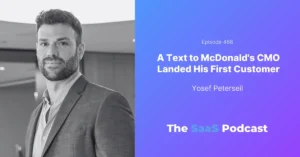
Podcast Feature| The Saas Podcast | Enterprise Sales: How Blings Landed McDonald’s as Their First Customer
Co-Founder and COO Yosef sat down with SaaS Club to record an episode of their podcast.
Read More
News
Blings vs. SundaySky 2026: Why the Future of Personalized Video Isn’t Just “Dynamic, “It’s Instant.
At Blings, we didn’t just build another video platform; we reinvented the file format itself. Here is why forward-thinking enterprises are choosing Blings over SundaySky to power their next generation...
Read More
Book a Demo
By clicking Submit you agree to Blings’
Terms of Use and Privacy Policy
'
>