
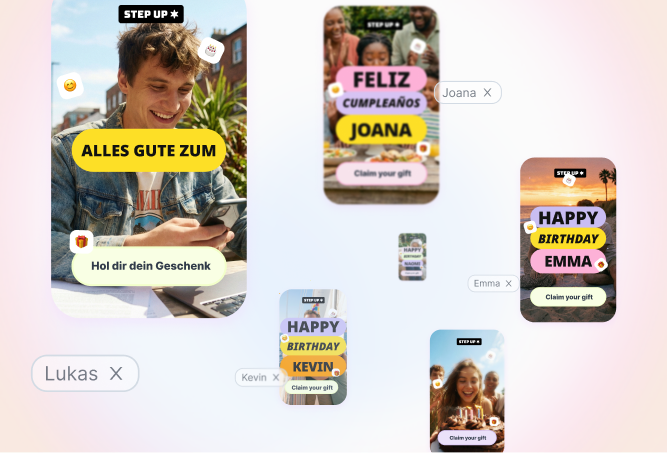
Personalization

Personalization without a full dataset: defaults, fallbacks, and progressive data collection

Yosef's avatar Yosef | Jul 15, 2026
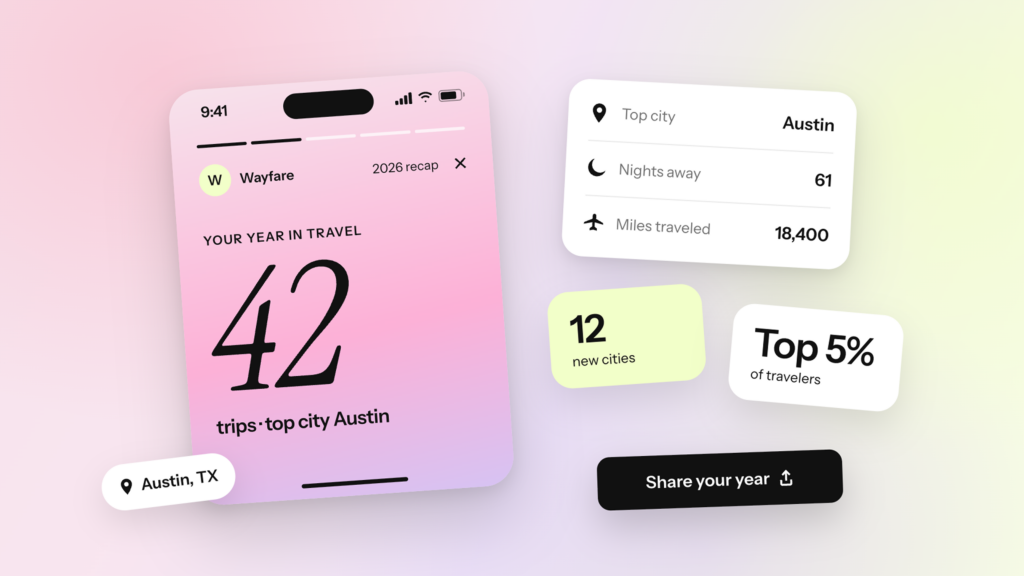
Blog graphic titled personalization without a full dataset, on a pink gradient.
Yosef's avatar Yosef | Jul 15, 2026

The most common objection to personalization is not cost or complexity; it is data. “We do not know enough about our customers to personalize” is the reason a lot of programs never start. It is also a misconception. You do not need a complete customer profile to personalize well. You need sensible defaults for what you do not know, graceful fallbacks for missing fields, and a plan to learn more over time. Personalization is not a switch that turns on once the dataset is perfect; it is a practice that starts with what you have and gets richer as you go.

This piece explains how to personalize without a full dataset, using defaults, fallbacks, and progressive data collection. It draws on production data from Habit Burger Grill, Wyndham, and Live Nation VIP.

Do you need a complete dataset to personalize?

No, you do not need a complete dataset to personalize. This is the myth that stalls the most programs. Personalization works on the data you have, and almost every brand has more usable data than it thinks: a name, a purchase, a location, a signup date, a single preference. The trick is designing the experience so it uses what is present and handles what is absent gracefully, rather than waiting for a full profile that never arrives.

Partial-data personalization means personalizing on the customer attributes you actually have while handling missing ones with defaults and fallbacks, rather than requiring a complete profile before you begin. It is how personalization starts in the real world, where data is always incomplete.

What are defaults and fallbacks in personalization?

Defaults and fallbacks are the mechanisms that let a personalized experience hold together when data is missing. They are what turn “we do not have that field for everyone” from a blocker into a non-issue.

A default means a sensible standard value the experience uses when a specific customer attribute is unknown, so the message still makes sense. If you do not know a customer’s favorite category, the default might be your best-selling category, so the recommendation is still relevant.

A fallback means a graceful alternative the experience shows when a personalization element cannot be resolved, so nothing appears broken or blank. If you do not have a customer’s first name, the fallback might be a warm generic greeting rather than an awkward “Hi [FIRST_NAME]”. Good defaults and fallbacks mean a customer with a thin profile still gets a coherent, appealing experience, just a slightly less specific one than a customer with a rich profile.

What is progressive data collection?

Progressive data collection means gathering more customer data gradually over time through the interactions themselves, rather than demanding a full profile upfront, so the personalization deepens with each engagement. Instead of a long signup form that customers abandon, you learn a little from each touch and use it to personalize the next one.

Interactive video is one of the most effective progressive-collection tools, because it gathers a preference with a single tap inside content the customer already chose to engage with. A customer who taps their favorite category in one campaign gives you the data to personalize the next, and the profile fills in over time without a single burdensome form. Wyndham reached a 66.7% completion rate on an in-video survey, exactly the frictionless collection progressive data depends on. See the Wyndham case study.

How do you start personalizing with limited data?

The path from limited data to rich personalization has a clear sequence.

  1. Inventory what you have. Most brands hold more usable data than they realize: name, location, purchase history, signup date, one or two preferences. Start there.
  2. Design defaults for every variable. For each personalization element, decide the sensible standard value used when the attribute is unknown, so nothing depends on a field being present.
  3. Build fallbacks for graceful gaps. Ensure every personalized element has a clean alternative when it cannot resolve, so a thin profile never produces a broken experience.
  4. Add progressive collection. Use interactive moments to gather one more attribute per engagement, filling the profile over time.
  5. Deepen as the data grows. As profiles fill in, the personalization gets more specific, and the experience improves without ever having required a complete dataset to begin.

Habit Burger Grill built personalization on the order-history data it already had and lifted loyalty signups by 47%, without waiting for complete profiles. See the Habit Burger Grill case study. For the architecture that handles defaults and fallbacks at render time, see AI video personalization in 2026: why architecture matters more than the algorithm.

FAQ

Can you personalize without a complete customer dataset? Yes. Personalization works on the data you have, using sensible defaults for unknown attributes and graceful fallbacks for missing elements. Almost every brand has more usable data than it thinks, and progressive collection fills the gaps over time. You do not need a complete profile to start.

What is a default in personalization? A default is a sensible standard value the experience uses when a specific customer attribute is unknown, so the message still makes sense, such as recommending a best-selling category when the customer’s favorite is not known.

What is a fallback in personalization? A fallback is a graceful alternative shown when a personalization element cannot be resolved, so nothing appears broken or blank, such as a warm generic greeting when a first name is missing.

What is progressive data collection? Progressive data collection is gathering customer data gradually through interactions over time, rather than demanding a full profile upfront. Interactive video is especially effective, capturing one preference per engagement with a single tap, so the profile fills in without burdensome forms.

The takeaway

The belief that you need a complete dataset before you can personalize is the single biggest reason personalization programs never start, and it is wrong. Personalization runs on the data you have, with defaults covering what you do not know, fallbacks keeping the experience coherent when fields are missing, and progressive collection deepening the profile over time. Habit Burger Grill, Wyndham, and Live Nation VIP all built strong personalization without waiting for perfect data.

Start with what you have, design for the gaps, and learn as you go. Personalization is a practice that improves over time, not a switch that waits for a dataset that will never be complete.

Talk with a video expert now to see what you can accomplish.
Schedule Call

Your customers are waiting for great video experiences.

Schedule a custom demo