Customer Stories

The future of QSR loyalty: moving beyond static points to personalized video rewards

Yosef's avatar Yosef | Aug 7, 2026
Blog cover with the heading beyond points a whole new loyalty and a rewards table on a pink background.
Yosef's avatar Yosef | Aug 7, 2026

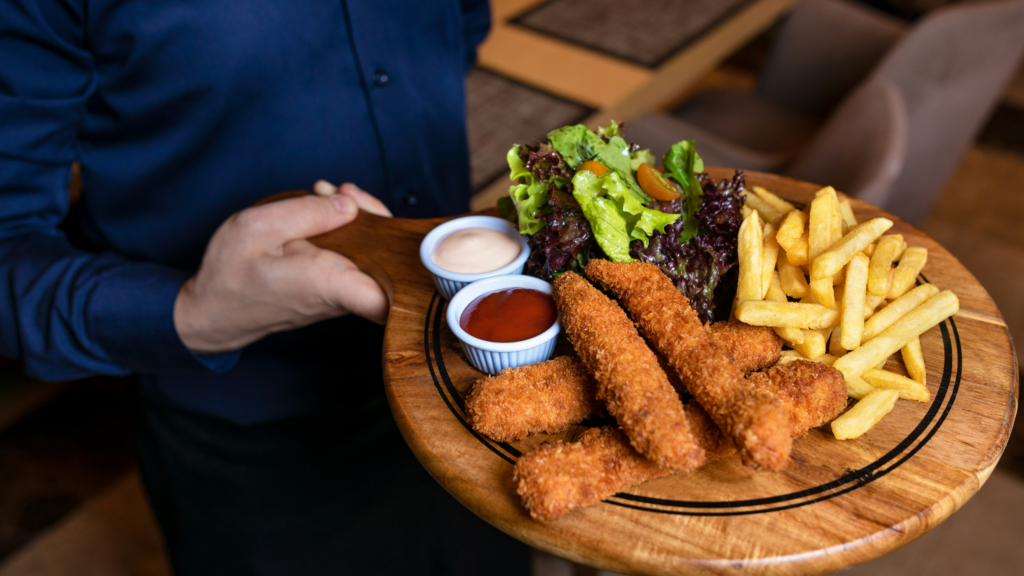
Quick-service restaurant loyalty programs have a recognition problem. A customer earns points, the app shows a number, and the number means almost nothing to them emotionally. Two hundred points is abstract. The double cheeseburger those points could buy is not. Most QSR loyalty apps stop at the abstraction, which is why engagement plateaus even as enrollment grows. The next stage of QSR loyalty closes the gap between the points balance and the craving by using real-time data at the moment of open to show the customer a video of the exact reward they can redeem right now.

This piece walks through why static points systems underperform, how personalized video rewards change the engagement math, and what production data from McDonald’s, Habit Burger Grill, and Live Nation VIP shows about the lift the format produces.

Why do static points systems fail to drive QSR app engagement?

Static points systems fail because a number on a screen carries no emotional weight. The customer has to do the mental math to translate their balance into something they want, and most customers never bother. The loyalty program becomes a passive ledger the customer checks occasionally rather than an active driver of visits.

A static points balance means the loyalty app shows the customer an abstract number with no direct connection to a product they crave. The gap between the number and the craving is where engagement leaks away.

The push notification, the standard tool QSR apps use to reactivate the loyalty relationship, makes the problem worse. A generic “You have 200 points” push is easy to ignore. A generic “Come back for a deal” push is easier still. The notification competes with dozens of others and loses because it does not speak to the specific customer’s craving at the specific moment.

Dimension Static push notification Dynamic MP5 video reward
Content Same text for every user Personalized to the user’s points and history
Emotional pull Abstract number Video of the exact redeemable item
Data freshness Fixed at send time Resolved at the moment of open
Update cost New send required Renders current data every open
Engagement signal Open or ignore Watch, tap, redeem, share

What are personalized video rewards in QSR loyalty?

Personalized video rewards are short, one-to-one videos that show each loyalty member the specific reward their current points balance can unlock, rendered with the member’s real data at the moment they open the message. Instead of a number, the customer sees the burger, the coffee, or the combo they can claim right now.

The format works because it converts the abstraction into a craving. The customer no longer has to translate points into value. The video does it for them, showing the exact item, the customer’s name, their balance, and a one-tap path to redeem. The loyalty relationship shifts from a passive ledger to an active, appetizing moment.

The data behind the video comes from the QSR’s own loyalty database. Moment of Open rendering means the video assembles on the customer’s device when they open it, pulling the current points balance and the current menu availability, so the reward shown is always accurate. A customer who earned points yesterday sees an updated balance today without the brand re-sending anything.

What does personalized video loyalty look like in production?

Habit Burger Grill used personalized video tied to each customer’s order history and location to lift loyalty membership signups by 47%. The campaign recognized each customer’s relationship with the brand and framed the loyalty value proposition against their actual usage, which is exactly the recognition mechanic that static points systems lack. See the Habit Burger Grill case study.

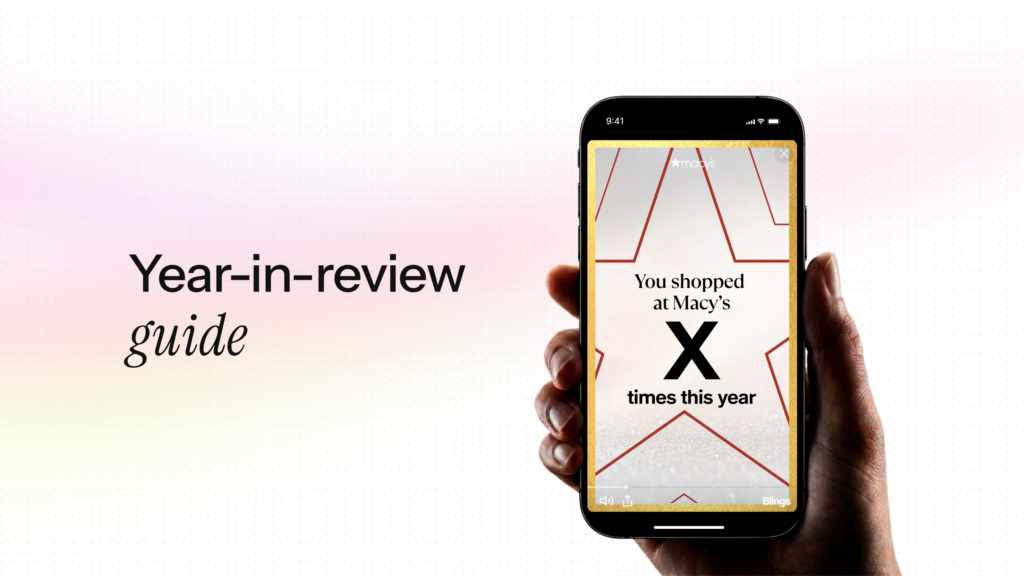
McDonald’s used Blings to power localized loyalty campaigns across multiple markets, pulling customer data including local store preferences and reward balances into personalized video rendered on demand for each customer’s market. The campaign ran without a render queue, which meant promotional updates and seasonal menu changes could deploy in hours instead of weeks.

Live Nation VIP demonstrated the sharing upside of the format in an adjacent category, producing a 16.6% share rate on personalized fan video for the Trilogy Tour, along with a 17.55% lift in unique opens and 82 seconds of average watch time on a 40-second video. The same recognition mechanic that made fans forward their video applies to QSR loyalty members who feel the brand knows their order. See the Live Nation VIP case study.

How do personalized video rewards increase visit frequency?

Visit frequency rises because the reward becomes tangible and immediate. A customer who opens a video showing the exact free item their points can claim today has a concrete reason to visit that a points number cannot produce. The craving does the work the abstraction could not.

The format also compounds across the loyalty lifecycle. A new member receives a personalized welcome that shows their first reward path. An active member receives a tier-progression video that shows how close they are to the next reward. A lapsing member receives a win-back video showing the specific reward waiting for them. Each moment uses the same architecture and the same data spine, which keeps the production cost flat. For more on the win-back angle, see personalized video for reducing churn and winning back lost customers.

What architecture makes personalized video rewards scale for QSR?

QSR loyalty programs operate at enormous scale, often tens of millions of members, which breaks the traditional per-render video model immediately. The architectural requirement is on-demand rendering.

On-device rendering means the personalized video is assembled on the member’s phone at the moment of open rather than pre-rendered as a separate file per member on a server. A single Dynamic Master Template serves the entire member base, with each member’s data resolving locally. The production cost does not scale with member count, which is what makes the format viable for a national QSR brand.

The approach is built on MP5 technology, Blings’ patented client-side rendering architecture. For a deeper treatment of why the architecture matters more than the personalization algorithm, see AI video personalization in 2026: why architecture matters more than the algorithm. For the full obituary of the static video model, see the MP4 is dead.

FAQ

What is a personalized video reward in a QSR loyalty program?

A personalized video reward is a short one-to-one video that shows each loyalty member the specific menu item their current points balance can unlock, rendered with the member’s real data at the moment they open it. It replaces the abstract points number with an image of the actual redeemable item.

How can QSR brands increase app engagement?

QSR brands increase app engagement by replacing static push notifications and abstract points balances with personalized video that shows each customer the exact reward they can redeem, rendered with current data at the moment of open. Brands using this format, including Habit Burger Grill, have seen double-digit lifts in loyalty engagement and signups.

What is MP5 video technology?

MP5 is a client-side rendering architecture that assembles personalized video on the viewer’s device at the moment of open, using a single Dynamic Master Template fed by the brand’s data. It replaces the traditional model of pre-rendering a separate MP4 file per recipient.

Does personalized video loyalty require a separate app?

No. Personalized video rewards render inside the existing QSR app, email, or push channel through a Live URL. No separate app or player is required.

The takeaway

QSR loyalty is moving from static points ledgers to personalized video rewards that convert an abstract balance into an immediate craving. The format works because it closes the recognition gap: the customer sees the exact item their points can claim, rendered with current data at the moment of open. Habit Burger Grill, McDonald’s, and Live Nation VIP all show what the recognition mechanic produces when the architecture supports it at scale.

The brands that make the shift will turn their loyalty programs from passive ledgers into active visit drivers. The ones that stay on static points and generic push will keep watching engagement plateau while enrollment climbs.

Your customers are waiting for great video experiences.

Schedule a custom demo