The front door, briefly
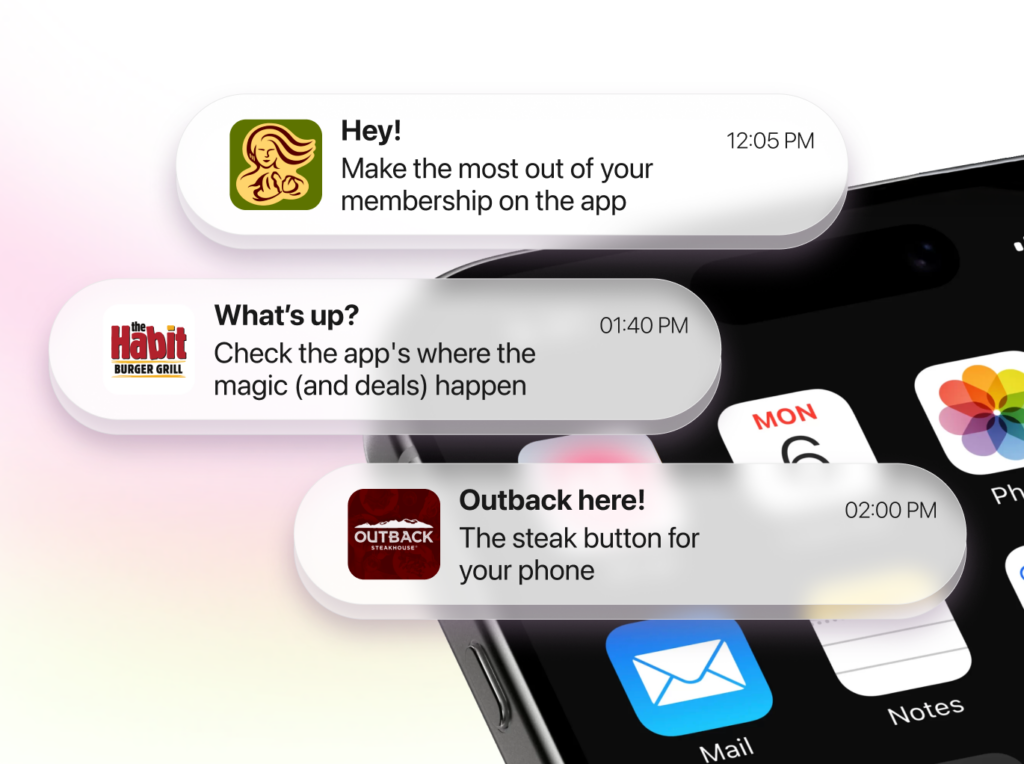
The app-first posture shows up at signup too, and it comes in gradations rather than a binary.
A hidden web door. One brand maintains a working web signup that our subscriber described as “fairly hidden” behind an app push. That is the definitional dark pattern: the brand keeps the converting route alive, presumably because it converts, while steering everyone toward the higher-commitment install.
A web door that works and is easy to find. Circle K offers the app, says so plainly, and the web path works and is findable. Declining costs the subscriber nothing. This is the standard the others should be measured against, and it costs nothing to build.
A front door guarded by a bot check, not a wall. Chick-fil-A first returned a message saying the subscriber appeared to be using a VPN or a private browser. A person joined on the web anyway, so this is a vendor bot check rather than a brand decision, and we do not score it against the brand. The cost at this door is an account, a password, and a mandatory phone number, not an install. The largest app-first program in the category still has a working web route, which is more than most of this list can say.
Millions of people run a VPN permanently, on company laptops and on their own devices. The brand most widely held up as the category benchmark for customer service has built the most hostile front door we have found. It sits in direct contrast with Pizza Hut, tested minutes later, which verified the address with an emailed code and allowed the phone number to be declined.
We will not attempt to work around it. Defeating bot detection is outside the rules of this study, and it would also destroy the finding, since the entire point is that an ordinary person with an ordinary privacy setup cannot join.
One thing we are deliberately not publishing yet. We have a list of brands that appear to require an app with no web door at all. It is not in this post, and it will not be in the index until a second person has actively hunted for a buried web form on each one. We have already been wrong about this five times: five brands we marked as unjoinable later turned out to be enrolled and mailing, including one whose own interface told the subscriber she could not join and then sent her two promotions anyway. If a web path can be hidden well enough for a competent person to call it hidden, it can be hidden well enough to look absent.