News
Loyalty

Yosef Peterseil on Questioning Loyalty: frequency tells you they came back, loyalty tells you why

Corrie's avatar Corrie | Nov 4, 2026
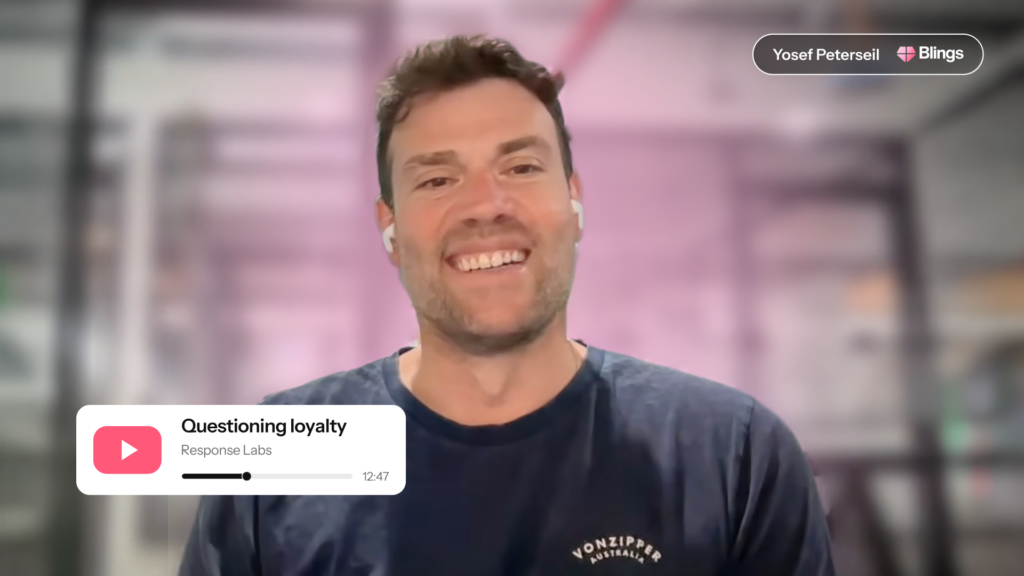
Blog cover with a video still of Yosef Peterseil smiling at the camera, with a podcast guest label at the lower left.
Corrie's avatar Corrie | Nov 4, 2026

Blings co-founder and COO Yosef Peterseil joined Andy Locke, Partner and Director of Strategy & Data at Response Labs, on episode 3 of Questioning Loyalty, a From the Lab production. In 21 minutes, they covered the difference between frequency and loyalty, what happened when Blings signed up for 300 quick-service loyalty programs, and why personalization now has to win over two audiences at once: the customer and the AI agent standing between the brand and that customer.

Here are the ideas worth taking back to your next loyalty planning session.
Frequency tells you they came back. Loyalty tells you why.

Andy opened by asking which categories have the most devoted customers. Yosef pointed to airlines, where travelers proudly declare they only fly one carrier, and to professional sports, where fandom is close to fixed. As he put it, “There are two things you don’t choose: your parents and your team.”

Quick service is a different animal. A driver on the highway has a dozen drive-thru options, and the stop they choose may be habit, convenience, or a genuine connection to the brand. That is why Yosef separates the two ideas: “Frequency tells me that you came back, and loyalty is really telling me why.”

So every Blings engagement starts with the members themselves: what they like, what they dislike, and how the brand already speaks to them. Tone of voice, look and feel, and even pacing change completely between a sports team and a QSR brand.

300 loyalty programs, one birthday greeting

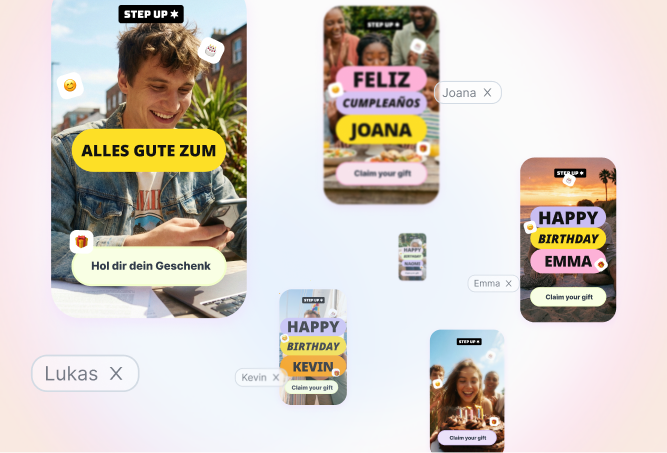
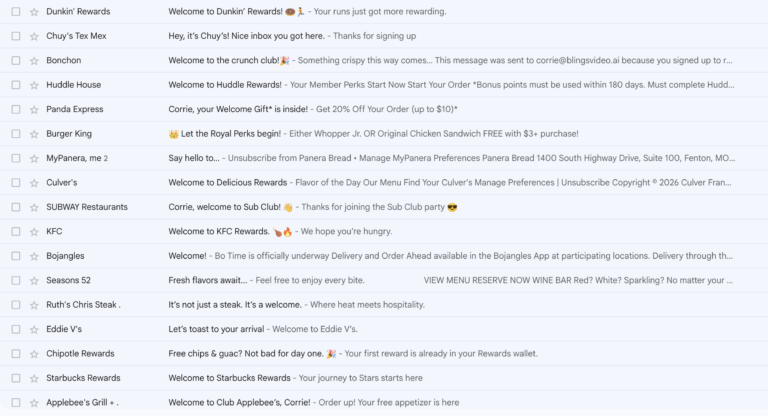
Yosef shared the findings behind the QSR Email Index, a Blings study that signed up for 300 quick-service loyalty programs to see how brands actually follow up with members. The spoiler: “Out of 300 places that we signed up, only one sent us a birthday greeting. They have all this data. What are they doing with it?”

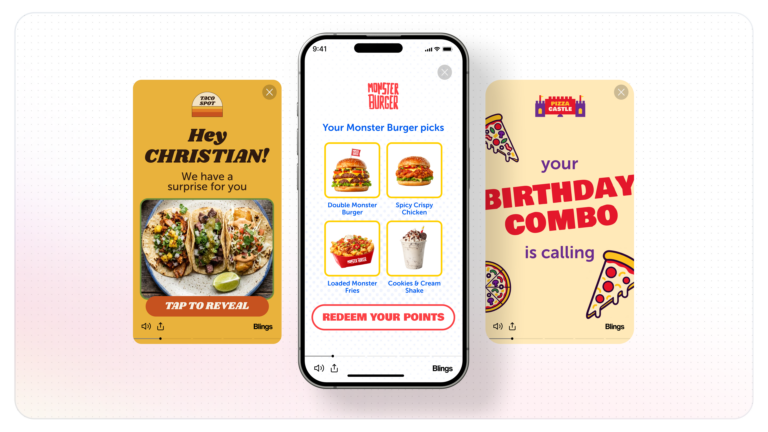
The data is already sitting in the CRM. Yosef described a loyalty video for a QSR member that pulls in a point balance, previously purchased products, and the number of points needed to redeem. Each data point looks generic on its own. Together in a video, they feel personal: “They know that I like that McFlurry. That’s why they’re showing it. And now they got me.”

Because the format is interactive and HTML based, the viewer can click inside the video and complete the purchase without leaving the experience.

Sports fans want speed and something to share

For the Cleveland Cavaliers, the creative looks very different: faster pace, bolder hooks, and less time to earn attention. Two use cases stand out:

  • Ticket sales: a season ticket holder can see the open seats next to them and send a video invite so a friend can buy the seat right beside them.
  • Season recaps: a Spotify Wrapped-style video shows each fan how many games they attended, the points, steals, rebounds, and assists they witnessed, and the team’s win rate when they were in the building.

The recap became shareable content on its own, and Yosef noted it went “super viral in Cleveland.”

Habit Burger: from a 2 to 5 percent share rate to 42 percent

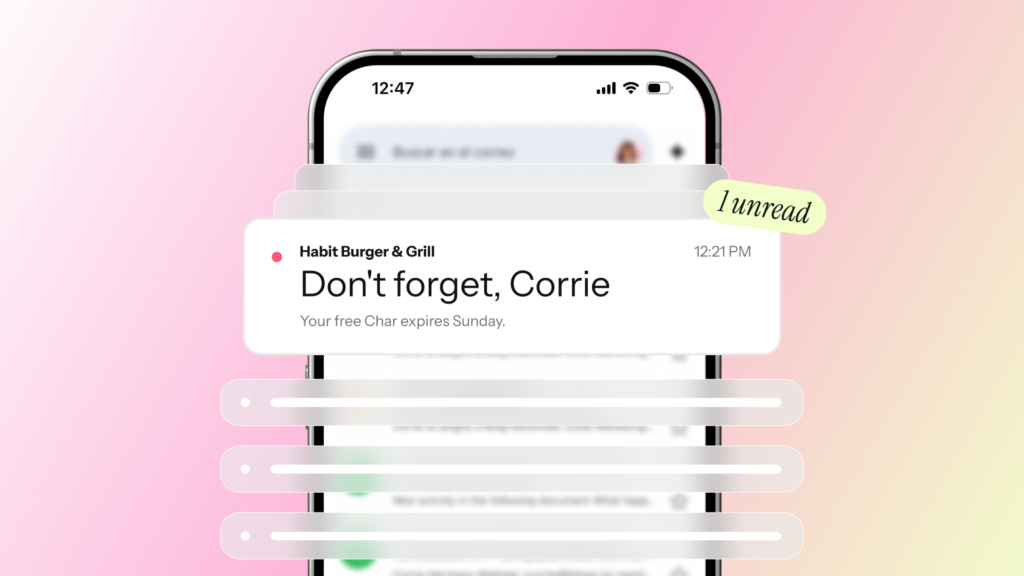
Asked where personalized video moved real behavior, Yosef pointed to Habit Burger, a West Coast chain with roughly 400 locations. Its friend referral program was stuck at a benchmark share rate of 2 to 5 percent.

Blings rebuilt the referral around a two-sided incentive. A guest receives a free burger, then types a friend’s name to send that friend a personalized video with a burger of their own. The friend sees their name and a clear call to action to redeem.

The result was a 42 percent share rate. Yosef’s explanation is simple: “This is people generating experiences for more people. And that’s special.”

Is the campaign creating loyalty or harvesting it?

Andy pushed on a hard question: do these campaigns create loyalty, or do they mostly activate people who were already loyal? Yosef was candid. The product comes first. A great flight earns a return trip, and a shaky one does not, no matter how good the follow-up email looks.

Communication is an enhancer. “If you have a CRM, fine, you have it, but how are you making it convert?” The same logic applies to a stadium: the jumbotron, the atmosphere, and the shared experience are the product. Personalized communication amplifies what is already there.

Start with the leaky funnel

Blings arrives with use cases that already perform across industries, then listens for the client’s biggest gap. The horizontal plays include:

  • Welcome series: someone just signed up, so do something with that moment now.
  • Win-back: reengage members who have drifted.
  • Referrals: always a priority when a program is in place.

Industry-specific journeys come next: preseason, in-season, and postseason for sports, and upsell and cross-sell for QSR and retail. The method stays the same. Find the leaky spot in the funnel, A/B test one fix, and move on to the next. “If it’s one of the five or seven that we know work, awesome. If it’s something else, we’d love getting creative.”

Personalizing for two audiences: the customer and the AI agent

As AI agents start making purchase decisions on behalf of consumers, Yosef sees personalization becoming more relevant, not less. It now has two jobs:

  1. Win the gatekeeper. The agent has to decide the message is relevant enough to show its human. That gatekeeper needs its own kind of personalization, and brands are still learning what it responds to.
  2. Move the human. Once the message gets through, it still has to create emotion and earn action.

Even if a bot makes the final call, Yosef argues brands will need to reach it with “some form of robotic personalization.”

The metric that matters sits next to the cash register

Clients often arrive asking to lift open rates. Yosef’s view: open rate is inaccurate and sits furthest from revenue. “The farther the metric is away from the cash register, the less excited I get about it.”

He gets more interested in watch time. Brands spend heavily on television for attention, yet Blings videos often hold viewers for 40 seconds to a minute and a half of active engagement with the brand. From there, the focus moves to click-through, conversion, and ultimately lifetime value.

What’s next: text to editable video

Yosef described the pace of AI as a gift to product teams: features that sat 12 months out on the Blings roadmap now ship in two weeks. The next frontier is text to editable video. Most generative video tools make you re-prompt and wait when one detail is wrong. Blings is building video where every element stays editable, so you prompt once and then swap an image or rewrite a line directly.

In the closing rapid fire, Andy asked what loses Yosef’s loyalty. His answer: AI slop. “I don’t like when a brand is lazy.”

Listen to the full episode

The full conversation also covers how Blings works with brand teams on creative and why personalized video is a category most buyers have not started looking for yet. Watch or listen here:

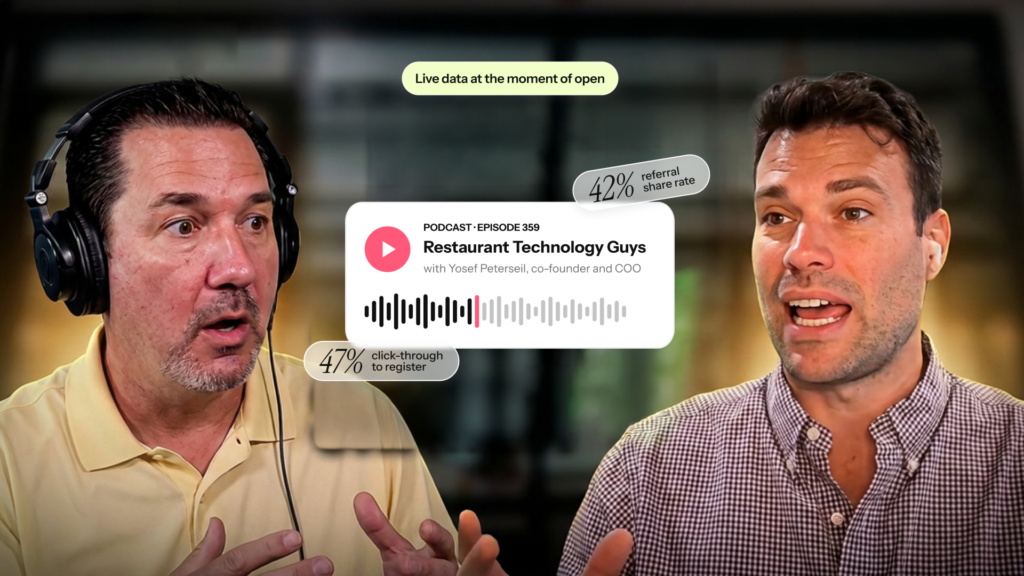
Thank you to Andy Locke and the Response Labs team for hosting. For more on how personalized video fits into restaurant loyalty, read Yosef’s conversation with Restaurant Technology Guys.

Frequently asked questions

What is Questioning Loyalty?

Questioning Loyalty is a podcast from From the Lab, produced by Response Labs, a digital CRM and loyalty marketing agency. Andy Locke, Partner and Director of Strategy & Data at Response Labs, hosts conversations with leaders about what drives customer loyalty.

What is the difference between frequency and loyalty?

Frequency measures how often a customer comes back. Loyalty explains why they come back. Yosef Peterseil argues that brands need to understand that underlying connection, not just count visits, to build programs that last.

What did Blings find when it joined 300 QSR loyalty programs?

Out of 300 quick-service loyalty programs Blings signed up for, only one sent a birthday greeting. The finding is part of the Blings QSR Email Index and shows how much member data brands collect but never use.

How does Blings personalize video for millions of members?

Blings builds one Dynamic Master instead of millions of files. Through on-demand generation on the viewer’s device, powered by its patented MP5 format, each video pulls in customer data in real time. Blings never sees or stores your PII.

What does personalizing for AI agents mean?

As AI agents filter messages and make decisions for consumers, brands have to persuade two audiences. The agent must judge the message relevant enough to pass along, and the human must still feel something and act on it.

What results has Blings seen with personalized referral video?

Habit Burger raised its referral share rate from a benchmark of 2 to 5 percent to 42 percent by letting guests send friends a personalized video with a free burger.

Your customers are waiting for great video experiences.

Schedule a custom demo